




Pakistan is becoming increasingly dependent on imported fossil fuels as domestic oil and gas production declines, leaving the country more vulnerable to global energy prices and supply disruptions.
Imported fossil fuels supplied around 34 million tonnes of oil equivalent (Mtoe) in FY25, accounting for 41 percent of Pakistan’s total primary energy supply. Their share was 37 percent in FY24, according to the Renewables First, Pakistan Energy Market Review, 2026 (PEMR26) report.
The decline in local production has added to the country’s reliance on foreign energy supplies. Domestic crude oil output fell 12 percent year-on-year in FY25, while natural gas production dropped 8 percent.
Pakistan’s refineries also relied heavily on imported crude, which met 77 percent of their total requirements during the year.
This growing dependence exposes the economy to fluctuations in international oil and gas prices, puts additional pressure on foreign exchange reserves and increases the risk of supply disruptions.
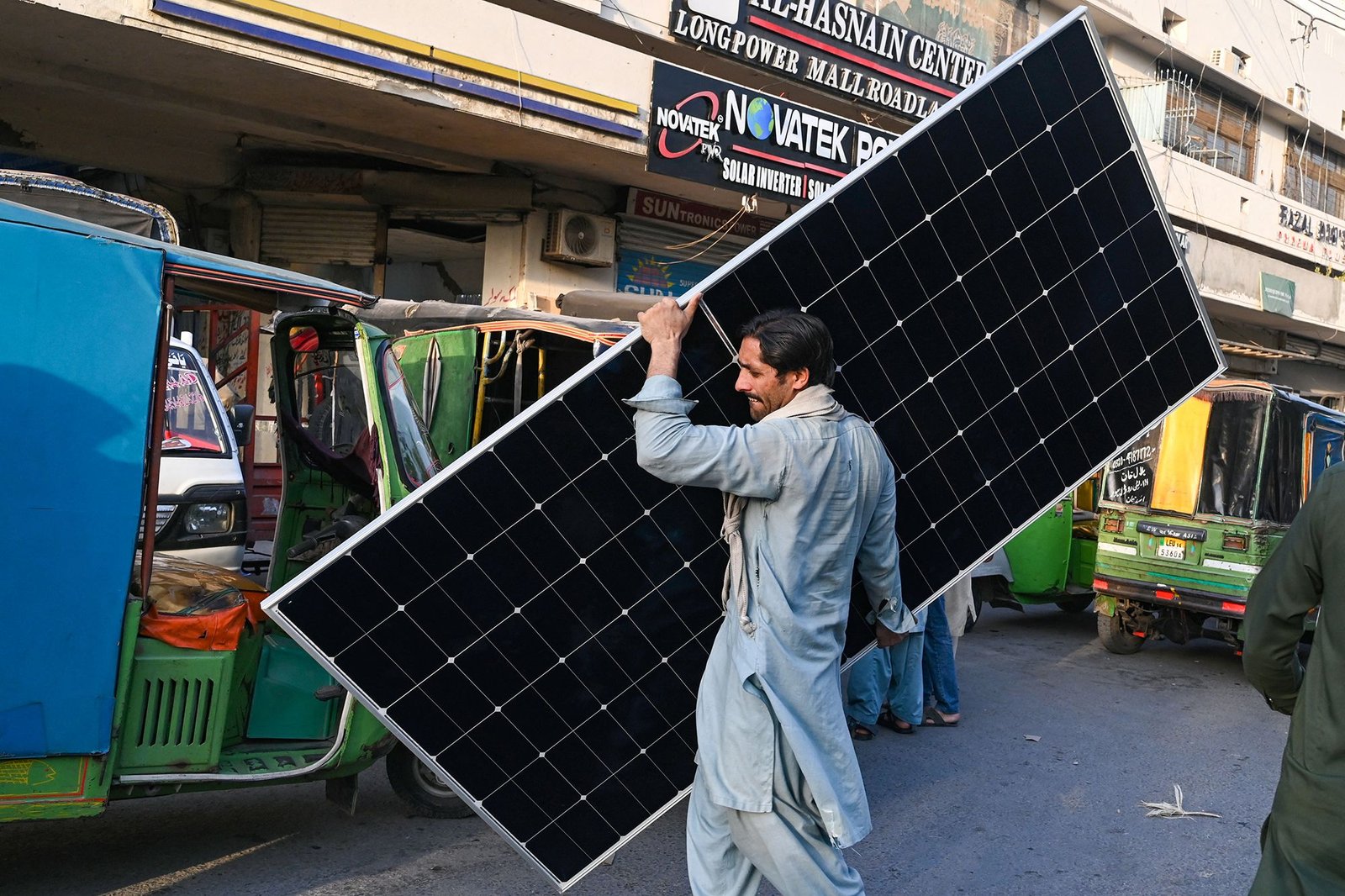
The PEMR26 report highlights the need to expand locally available renewable energy sources to reduce reliance on imported fuels, particularly as domestic fossil fuel production continues to decline.