




An estimated 417,000 people are living with HIV in Pakistan, but fewer than 70,000 are receiving treatment, according to figures from the World Health Organization (WHO) shared with Parliament.
The data shows a significant gap in the country’s HIV response, with only 92,148 people registered with the relevant authorities and 67,878 receiving antiretroviral therapy (ART).
Separately, Pakistan recorded 3,900 HIV-positive children between January 2025 and June 2026, according to figures presented by the Ministry of National Health Services to Parliament.
Sindh accounted for the largest share, with 1,915 cases, while Punjab reported 1,765.
Khyber Pakhtunkhwa recorded 139 cases and Balochistan reported 46. Islamabad registered 30 cases, while Azad Jammu and Kashmir reported four and Gilgit-Baltistan recorded one.
HIV Infections Increase in Pakistan
The parliamentary data shows that Pakistan’s estimated annual new HIV infections increased from 16,000 in 2010 to 48,000 in 2024, according to WHO figures.
This means the estimated number of new infections has tripled over 14 years.
The country also faces a major challenge in identifying people living with the virus and connecting them with treatment.
While the WHO estimates that 417,000 people have HIV in Pakistan, official registration covers only 92,148 individuals. Of these, 67,878 are receiving ART.
Antiretroviral therapy helps people with HIV control the virus, maintain their health, and reduce the risk of transmitting the infection.
The difference between estimated infections and registered patients highlights the need for wider testing, early diagnosis, and better access to treatment.
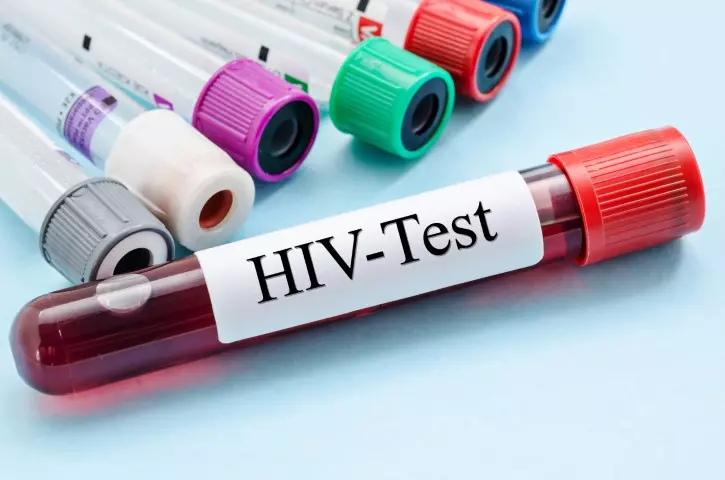
HIV Screening Tests Increase
Pakistan has significantly expanded HIV screening over the past five years.
The number of screening tests increased from 37,944 in 2020 to 374,126 in 2025, according to the figures presented to Parliament.
Despite this increase, the gap between estimated infections and registered cases remains substantial.
The government has stressed the need to expand testing facilities and strengthen prevention programmes to identify infections earlier and limit further transmission.
Improving access to treatment and bringing more people into the healthcare system remain major challenges in Pakistan’s response to HIV.