



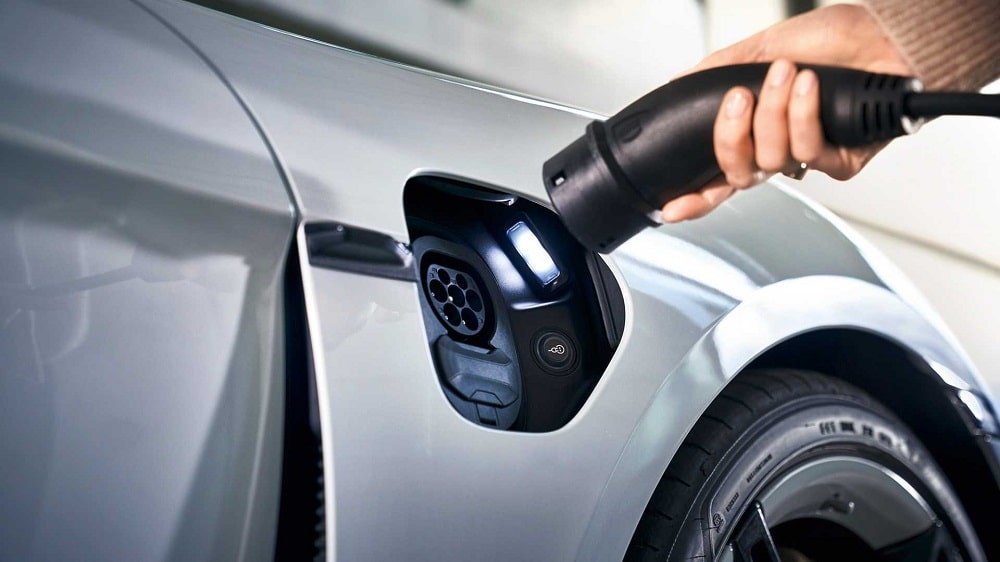
Pakistan’s new electric vehicle (EV) policy has hit a roadblock after major automobile manufacturers raised objections over the proposed framework, prompting the government to restart the policy-making process.
The Ministry of Industries and Production had prepared the Auto Policy 2026-31 with a strong focus on accelerating electric mobility and reducing the country’s reliance on imported fuel.
However, existing automakers reportedly objected to parts of the draft, arguing that the proposed incentives could create an uneven playing field between EV manufacturers and traditional vehicle producers. Following their concerns, the government has put the draft on hold and formed a committee to prepare a revised policy.
The delay has already affected consumers, particularly buyers of hybrid vehicles. The previous Auto Industry Development and Export Policy 2021-26 expired on June 30, 2026, causing tax concessions on hybrid vehicles to lapse.
From July 1, the sales tax on hybrid electric vehicles (HEVs) and plug-in hybrid vehicles increased from 8.5% to the standard 25% GST rate.
The sudden tax increase pushed hybrid vehicle prices significantly higher, with some models seeing price jumps of more than Rs1.3 million. Automakers including Toyota and Honda revised prices, while some companies temporarily slowed invoicing and deliveries due to policy uncertainty.
Sources said Prime Minister Shehbaz Sharif has assigned Deputy Prime Minister Ishaq Dar to oversee the preparation of a new auto policy draft.
Industry stakeholders have called for a balanced transition toward electric vehicles, arguing that Pakistan needs a gradual shift supported by charging infrastructure, local manufacturing, and technology transfer.
The Pakistan Association of Automotive Parts & Accessories Manufacturers (PAAPAM) said it supports EV adoption but warned that unchecked incentives could hurt local manufacturers, increase dependence on imported EV components, and put existing investments and jobs at risk.
The association has proposed linking EV incentives with localisation targets, including domestic production of batteries, motors, and electronic components, while supporting existing manufacturers in shifting toward new technologies.