Pakistan is moving to expand the use of its domestic payment network, with 1LINK proposing mandatory PayPak cards for government salary accounts, subsidy programmes and other public sector payments.
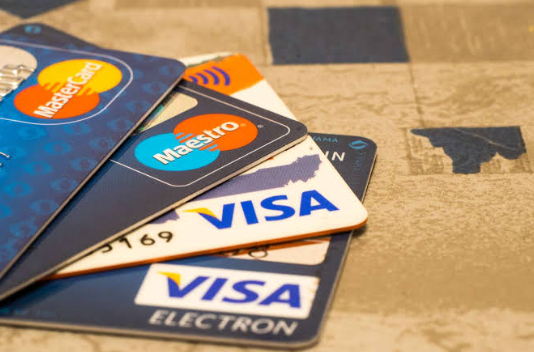
The proposal, submitted to the State Bank of Pakistan (SBP), aims to reduce reliance on international payment networks such as Visa and Mastercard while strengthening Pakistan’s local digital payments ecosystem.
Under the plan, government employees’ salary accounts, social welfare beneficiaries, subsidy recipients and users of public transport payment systems would be issued PayPak cards.
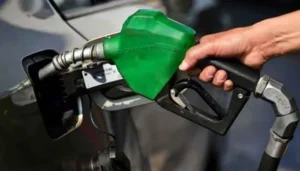
1LINK has also suggested incentives to increase PayPak usage, including tax benefits for Point-of-Sale (PoS) and e-commerce transactions, cashback schemes, discounts and loyalty rewards for payments such as utility bills, fuel purchases and government services.
The company recommended that public service offices, including NADRA centres, passport offices and excise departments, install PoS terminals compatible with PayPak cards.
The initiative aligns with SBP’s broader digital payments strategy to promote domestic payment channels, including PayPak and Raast, and reduce dependence on foreign payment networks.
SBP said it has already introduced co-badged PayPak cards supporting both domestic and international transactions, expanded PayPak acceptance for online payments and launched initiatives to improve merchant adoption.
Meanwhile, Raast Person-to-Merchant (P2M) payments have grown significantly. With a Rs. 3.5 billion government subsidy programme for Raast QR payments in FY2025-26, daily P2M transactions increased from around 60,000 in June 2025 to nearly 1.1 million by June 2026.
Launched by 1LINK in 2016 under SBP’s guidance, PayPak is Pakistan’s first domestic card scheme, designed to lower payment costs, improve financial inclusion and build a locally controlled digital payment infrastructure.