





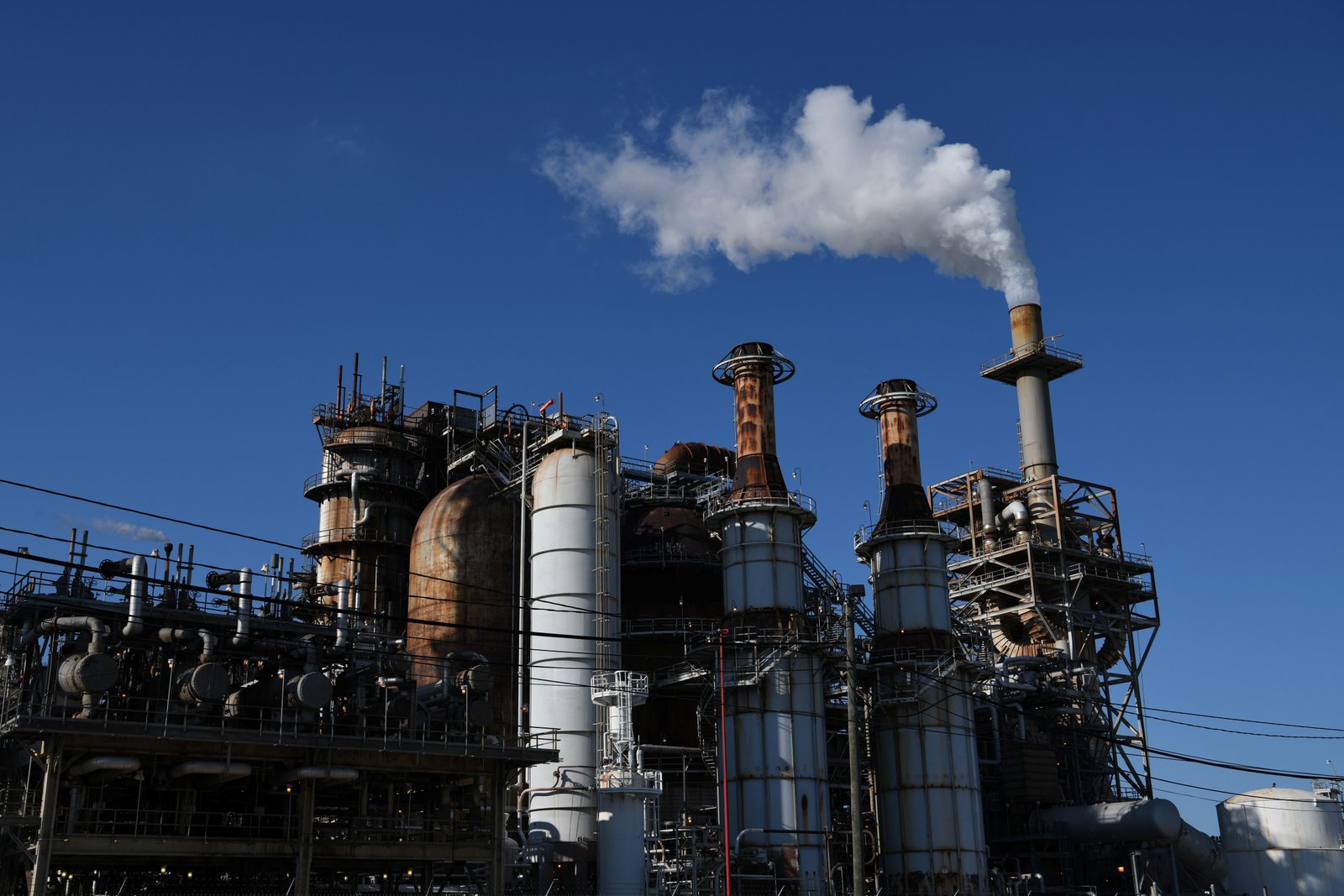
Prime Minister Shehbaz Sharif approved key amendments to Pakistan’s Brownfield Refinery Policy 2023, unlocking a long-stalled $6 billion modernization drive that promises to reshape the country’s fuel landscape by slashing imports, curbing dirty furnace oil, and ushering in Euro V-compliant petrol and diesel.
The decision came during a meeting of the Cabinet Committee on Energy (CCoE), where the government signed off on the revised policy framework following months of consultations with industry stakeholders and regulatory bodies. The original 2023 policy was designed to coax Pakistan’s ageing refineries into the 21st century, but implementation had languished — until now.
“The modernization of refineries is essential to reduce our dependence on imported fuels and build a more secure energy system,” the prime minister told the meeting, adding that upgraded facilities would meet domestic demand while producing cleaner fuel.
Under the revamped policy, existing refineries will be incentivized to retool their operations, shifting away from furnace oil — a glut-prone, environmentally unfriendly byproduct — toward higher-grade Euro V petrol and diesel. Officials said the upgrades would also tighten environmental standards and bolster Pakistan’s long-term energy security.
The prime minister did not stop at refineries. He ordered the relevant ministries to fast-track implementation of the revised policy and called for sweeping reforms at the Oil and Gas Regulatory Authority (OGRA), arguing that stronger regulation, greater transparency, and genuine competition were prerequisites for attracting serious investment into the energy sector.
In a nod to the diplomatic and financial heavy lifting ahead, the government plans to pitch the amended policy to deep-pocketed investors in Qatar, Saudi Arabia, and other Gulf states through a series of roadshows. Shehbaz singled out Petroleum Minister Ali Pervaiz Malik and his team for praise, crediting them with steering the policy amendments across the finish line.
Officials briefing the CCoE said the revised framework is calibrated to accelerate refinery upgrades, boost output of environmentally compliant fuels, phase out substandard petroleum products, and advance the government’s broader energy reform agenda. In a related directive, the prime minister also ordered authorities to expand the country’s strategic petroleum reserves, adding an extra layer of buffer against supply shocks.
The refinery overhaul marks one of the most consequential energy policy moves of Shehbaz’s tenure — a bet that with the right regulatory scaffolding and Gulf capital, Pakistan can refine its way out of import dependency.




