



Pakistan’s mango exports are expected to decline by nearly 30 percent this year as conflict in the Middle East disrupts trade routes, weakens demand in key export markets, and drives up shipping costs, adding to the pressures already facing farmers and exporters.
Exporters estimate that overseas shipments will fall by around 30,000 tonnes to 80,000 tonnes during the current season compared with last year, despite Pakistan’s position as the world’s fourth-largest mango exporter and annual export earnings of about $110 million from the fruit.
The Middle East remains Pakistan’s biggest market for mango exports, accounting for nearly 80 percent of total shipments, according to the All Pakistan Fruit and Vegetable Exporters Association. However, tensions involving Iran, disruptions in Afghanistan, and uncertainty across the Gulf region have complicated trade and weakened demand.
Waheed Ahmed, chief patron of the exporters’ association, said almost 80 percent of Pakistan’s mangoes are exported to the Gulf region, Iran, and Afghanistan, all of which have been affected by the conflict.
He said a tentative ceasefire between the United States and Iran had offered some relief, but it came too late to provide meaningful support to the current mango season, which usually lasts about three months.
Exporters are also facing a sharp increase in transport costs. The cost of shipping a 25-tonne container of mangoes stood at around $1,400 last year, but freight charges have risen significantly amid disruptions around the Strait of Hormuz and higher energy prices.
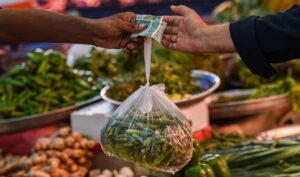
Domestic demand has also come under pressure as inflation-hit households cut back on discretionary spending, including purchases of seasonal fruit.
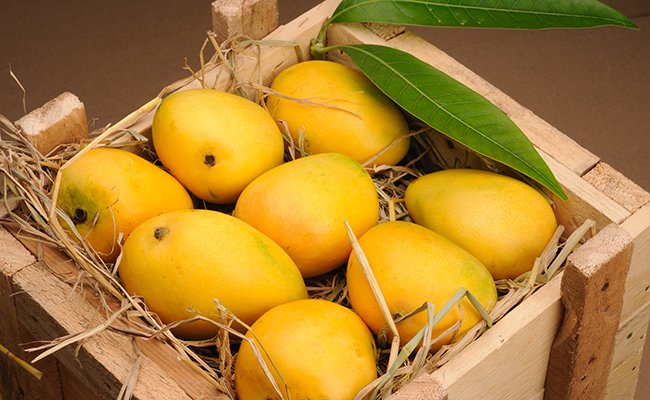
Pakistan produces more than two dozen varieties of mangoes, including the widely consumed Sindhri and Chaunsa. The country harvested an estimated 1.8 million tonnes of mangoes last year, making the fruit one of its most valuable horticultural exports.
However, the sector has increasingly been affected in recent years by extreme weather events, water shortages, and shifting trade dynamics.