




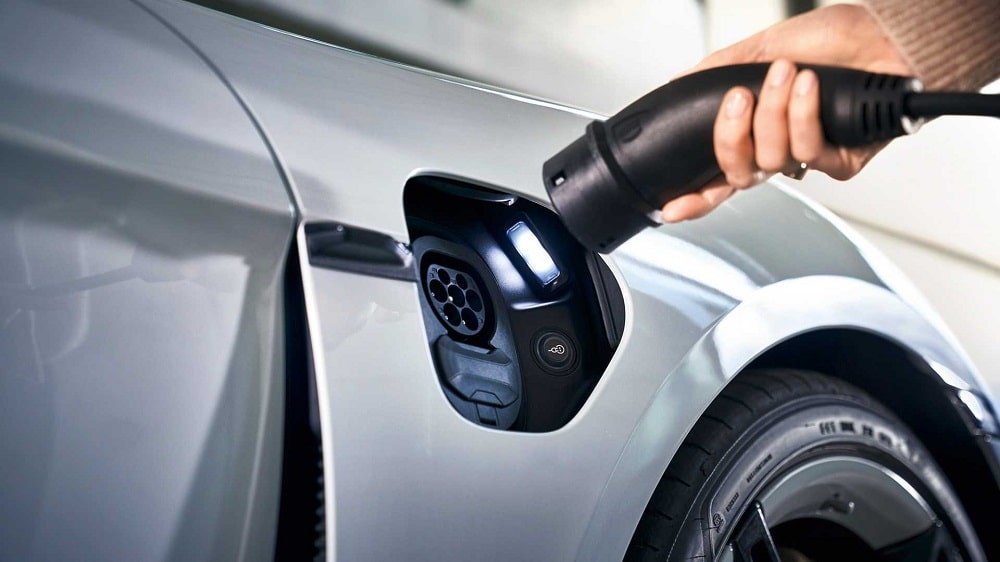
The federal government is considering imposing up to 25 percent sales tax on the import of electric vehicles (EVs) in the upcoming budget, while maintaining existing tax rates for hybrid vehicles in the next fiscal year.
According to official details, several sales tax exemptions currently available for EVs are set to expire on June 30, 2026. This includes exemptions on the import of completely knocked down (CKD) kits for electric vehicles assembled by local manufacturers.
At present, these exemptions apply to small cars and SUVs with battery capacities of up to 50 kWh, as well as light commercial vehicles with battery limits of up to 150 kWh. A nominal 1 percent sales tax is currently applicable on locally assembled or manufactured four-wheeler EVs within these categories until the end of June 2026.
Sources indicate that while the government is reviewing a higher tax structure for imported EVs, hybrid electric vehicles will continue to be taxed at reduced rates ranging between 8.5 percent and 12.75 percent, with no change expected in the upcoming fiscal year.
Separately, the Senate Standing Committee on Finance has approved the Customs (Amendment) Bill, 2026, which aligns with the Automotive Industry Development and Export Policy (AIDEP) 2021-26. The committee endorsed the legislation after detailed review.
The government has also proposed extending customs duty concessions on EV parts and components until June 30, 2026, aimed at supporting local manufacturing and promoting green mobility.
Under the original EV policy approved in 2020, concessional duties were introduced for EV-specific parts used in two- and three-wheelers, along with limited imports of fully built electric vehicles and components for heavy commercial EVs.
These incentives were later extended under AIDEP 2021-26, expanding coverage to include electric vans and light commercial vehicles, with validity set until June 30, 2026.
Officials say the latest amendments are designed to align customs and tariff concessions under AIDEP with provisions in the Customs Act.
The proposed framework also continues duty concessions on imported fully built EVs, subject to restrictions on the number of units allowed per variant for local assembly or manufacturing.