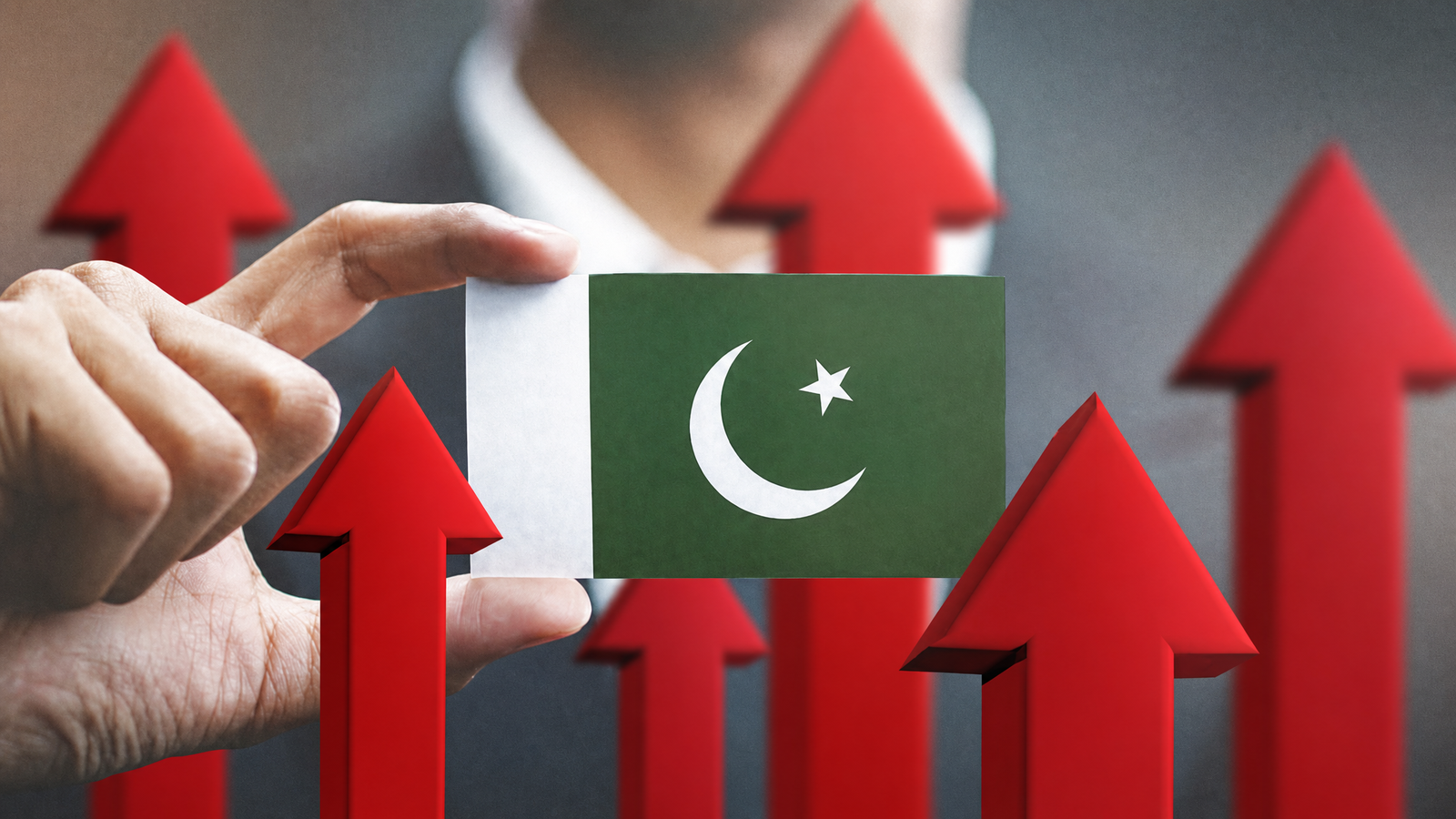
Pakistan is projected to allocate almost Rs45 trillion toward interest payments on public debt over the next five years, reflecting the mounting cost of servicing the country’s growing debt stock.
Official estimates show that debt servicing remains one of the largest expenditures in the federal budget, with interest payments consuming an amount equivalent to roughly two and a half years of government revenues.
The projected interest burden for FY2026-27 stands at Rs7.824 trillion. This figure is expected to rise consistently in the coming years, reaching Rs8.273 trillion in FY2027-28, Rs8.681 trillion in FY2028-29, and Rs9.365 trillion in FY2029-30.
By FY2030-31, annual interest payments are forecast to climb to an unprecedented Rs10.322 trillion, marking the first time the yearly debt-servicing bill will exceed Rs10 trillion.
The government’s financing plan indicates that these payments will continue to be met through a mix of tax collections and non-tax revenues.
Meanwhile, Pakistan’s total external debt and liabilities have crossed $104 billion, while direct external obligations of the federal government account for more than $82 billion.
In local currency terms, the country’s overall debt burden exceeded Rs97 trillion as of March 2026, underscoring the fiscal challenges facing policymakers amid rising financing needs and debt-servicing obligations.