



The Oil and Gas Regulatory Authority (Oil and Gas Regulatory Authority) has dismissed a viral social media claim suggesting that domestic LPG cylinders carry expiry codes such as “A-26” or “D-26” indicating they become unsafe in 2026.
The claim circulating online alleged that such markings represent expiry dates and warned that cylinders with these codes could be outdated, unsafe, or at risk of explosion.
However, the regulator has clarified that this information is incorrect.
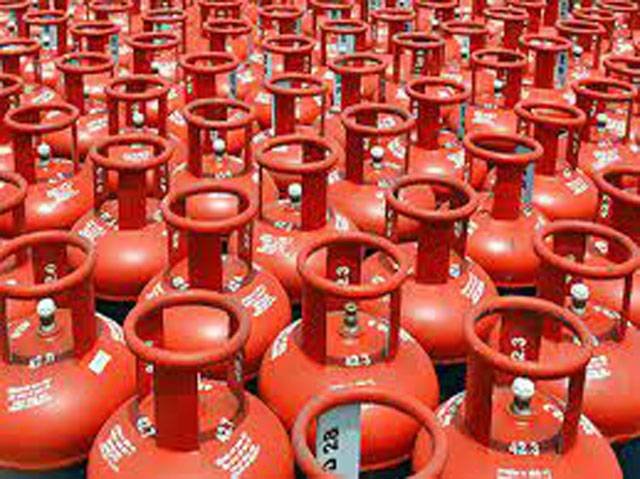
According to OGRA officials, LPG cylinders used in Pakistan do not carry any coding system that indicates expiry in the form of “A-26” or “D-26.” Instead, cylinders contain embossed technical information including manufacturing date, manufacturer details, serial number, batch number, weight, water capacity, and next inspection date.
Officials further explained that cylinders produced in Pakistan are manufactured under internationally recognized standards such as DOT 4B, DOT 4BW, and DOT 4BA, ensuring safety and reliability when used properly.
They also emphasized that certified LPG cylinders do not pose explosion risks under normal usage conditions, as they undergo periodic testing and safety inspections at fixed intervals.
Chairman of the LPG Distributors Association, Irfan Khokhar, also confirmed that OGRA-approved manufacturers follow strict international safety protocols. He noted that cylinders go through more than 20 production stages and are designed for long-term use, though periodic refurbishment and mandatory inspections every five years are required.
He warned that cylinders produced outside regulatory approval may not meet safety standards and could pose serious risks to consumers.
The claim that codes like “A-26” or “D-26” on LPG cylinders represent expiry dates or indicate that cylinders become unsafe in 2026 is false and misleading.