Pakistan’s development spending under the Public Sector Development Programme (PSDP) has declined by nearly 80 percent since FY2017–18, as rising debt servicing and economic stabilization measures continue to squeeze fiscal space.
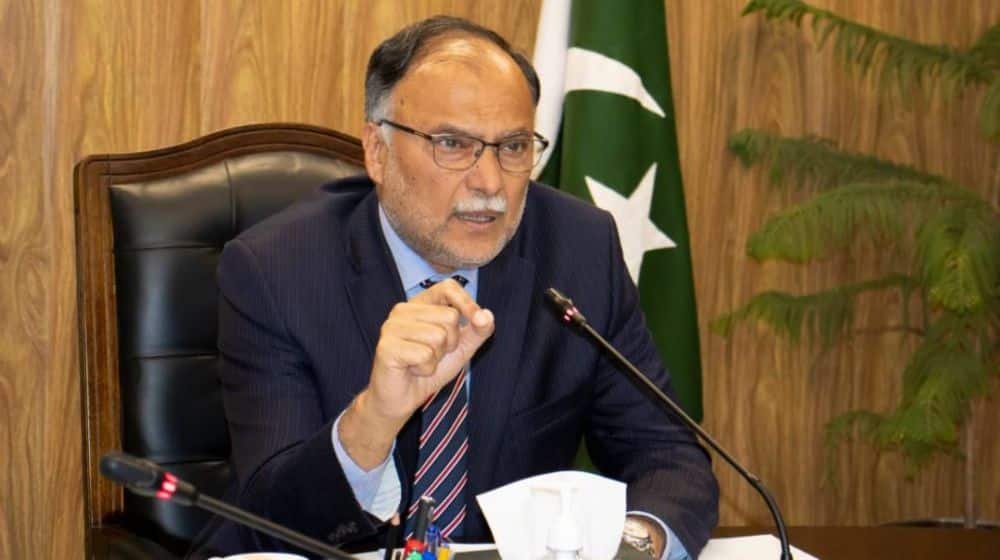
Opening the Annual Plan Coordination Committee (APCC) meeting, Planning Minister Ahsan Iqbal said PSDP’s share in the federal budget has dropped sharply from 19.6 percent in FY2017–18 to just 4.0 percent in FY2025–26.
He said the reduction reflects persistent macroeconomic pressures, heavy debt repayments, and repeated external shocks that have forced the government to divert resources away from long-term development toward short-term stabilization needs, including energy price differential subsidies.
According to officials, the contraction translates into an overall decline of roughly 80 percent in development allocation over the period.
Iqbal noted that Pakistan’s development capacity is increasingly constrained at a time when demand for infrastructure, growth, and public investment is rising. He stressed the need to shift the economic model toward export-led and productivity-driven growth rather than continued reliance on borrowing.
He described the PSDP as “more than a budget line,” calling it a reflection of national development priorities and long-term economic intent.
The minister also reiterated that Pakistan must transition toward a sustainable economic framework based on exports, competitiveness, and stronger domestic resource mobilization, warning that continued dependence on debt is not viable.
Referring to Pakistan’s IMF programme, he termed it a form of “economic therapy” aimed at stabilization after years of fiscal imbalance and policy missteps.
He cited examples of countries such as Vietnam, South Korea, Malaysia, and China, saying their growth trajectories were driven by production- and export-oriented strategies that Pakistan should emulate.
The APCC also reviewed development priorities under the URAAN Pakistan framework and approved a tightly constrained PSDP allocation strategy, with most funds directed toward ongoing projects due to limited fiscal space.