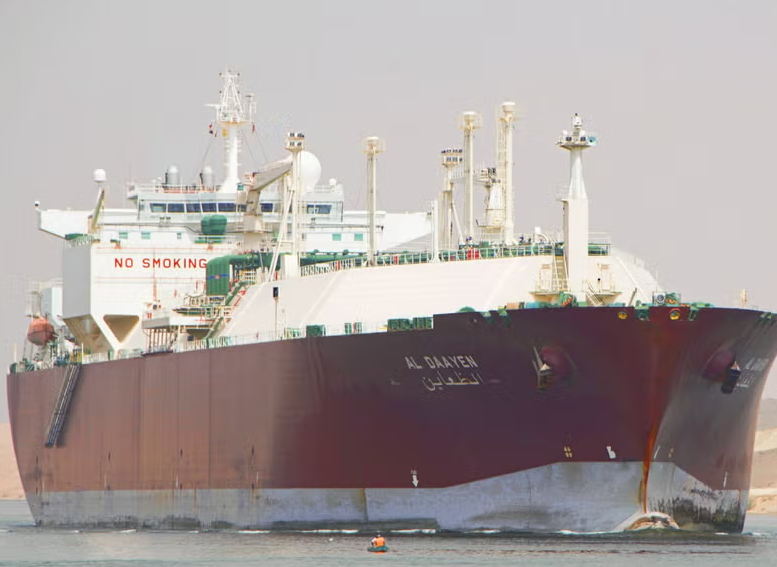
Pakistan has secured three liquefied natural gas (LNG) cargoes through emergency tenders after a 28-month gap, as authorities scramble to prevent worsening electricity shortages ahead of peak summer demand.
State-run Pakistan LNG Limited (PLL) received four bids on Friday, with three declared the lowest for deliveries scheduled between late April and mid-May.
The winning bids were:
- TotalEnergies — $18.88 per mmBtu for delivery between April 27–30
- Vitol Bahrain — $18.54 per mmBtu for May 1–7 delivery
- OQ Trading — $17.997 per mmBtu for May 8–14 delivery
Each cargo will carry approximately 140,000 cubic meters of LNG, equivalent to around 100 million cubic feet per day (mmcfd) of gas supply.
Emergency Purchase Amid Power Shortage
PLL issued urgent tenders a day earlier as Pakistan faced an electricity shortfall exceeding 4,500 megawatts, triggering six to seven hours of load shedding in several areas.
The emergency procurement followed disruptions in LNG supplies after heightened tensions in the Gulf region led to the closure of the Strait of Hormuz. Three LNG shipments originally destined for Pakistan were unable to reach the country due to security concerns.
Qatar had also declared force majeure on global LNG contracts last month after attacks targeting regional energy infrastructure, sharply reducing available supplies.
LNG Imports Resume After Long Gap
The latest deal marks PLL’s return to spot LNG procurement after nearly two and a half years. The company had largely remained inactive, importing only one cargo in recent months following almost a year without purchases.
Its last LNG tender was floated in December 2023 but later cancelled.
Facing mounting criticism over early summer outages, the Power Division directed the Petroleum Division to arrange roughly 400 mmcfd of LNG to sustain electricity generation, particularly from gas-based power plants in Punjab with combined capacity of about 6,000MW.
Expensive Alternatives Raise Alarm
Officials warned that without LNG supplies, power plants would be forced to switch to high-speed diesel (HSD) or furnace oil — significantly more expensive fuels.
Electricity produced from diesel can cost over Rs25 per unit more than LNG-based generation and may now exceed Rs80 per unit amid volatile global oil prices.
Authorities noted that relying on these fuels would sharply increase fuel cost adjustments for consumers while worsening load management across the country.
Summer Demand Surge Approaching
Electricity demand is expected to rise rapidly as temperatures climb. Summer peak demand typically crosses 28,000MW, compared with current peak usage of around 19,000–20,000MW.
While solar power has reduced daytime grid demand, consumption spikes again after sunset when households reconnect to the national grid.
The Power Division stressed that uninterrupted RLNG availability remains essential to maintain system stability, evacuate surplus southern generation, and avoid prolonged blackouts during the summer months.