




Pakistan is set to receive an upcoming $1.3 billion installment from the International Monetary Fund, Finance Minister Muhammad Aurangzeb said during his interaction with international media in Washington, D.C.
He noted that there is currently no requirement to expand or revise the existing IMF programme, but added that Pakistan could return to the Fund in the future if economic conditions deteriorate.
The finance minister reiterated the government’s focus on maintaining macroeconomic stability and ensuring timely repayment of external obligations. He said Pakistan is actively exploring multiple financing avenues, including Eurobonds, Sukuk issuances, and commercial borrowing, while foreign exchange reserves currently provide cover for roughly 2.8 months of imports.
Aurangzeb also outlined plans to raise Pakistan’s first-ever Panda Bond worth $250 million, with the broader programme potentially expanding to $1 billion. He said the initiative is expected to receive backing from the Asian Development Bank and the Asian Infrastructure Investment Bank.
On external inflows, he projected that remittances could reach $41.5 billion during the current fiscal year, while economic growth is expected to remain near 4 percent.
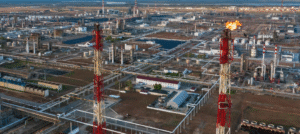
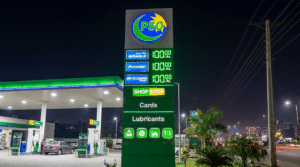
He acknowledged that higher global oil prices, driven by tensions in the Middle East, are adding pressure on Pakistan’s economy. In response, the government is considering building strategic petroleum reserves and expanding fuel and LPG storage capacity, alongside accelerating the shift toward renewable energy.
During his visit, Aurangzeb also held meetings with senior IMF officials, including IMF Middle East and Central Asia Director Jihad Azour, the IMF mission team for Pakistan, representatives of the US Treasury, the Saudi Fund for Development, and Mastercard.