



A major diplomatic realignment appears to be taking shape in the Middle East, with Pakistan joining key regional powers in efforts to ease tensions with Iran through locally driven mediation rather than traditional US-led initiatives.
Recent developments indicate that countries across the region are increasingly coordinating among themselves to prevent further escalation following heightened tensions triggered by Iran’s attack on Qatar’s Ras Laffan gas facilities last month.
Regional Diplomacy Takes Center Stage
According to international media reports, regional capitals have intensified diplomatic engagement, arguing that the crisis must be addressed through a regional framework instead of external intervention.
One of the most notable developments came when Qatar’s Prime Minister and Foreign Minister Sheikh Mohammed bin Abdul Rahman Al Thani held direct talks with Iranian Foreign Minister Abbas Araqchi. During the conversation, Doha stressed the need for an immediate halt to hostilities and reiterated that diplomacy remains the only viable path toward stability.
Qatar condemned attacks targeting Gulf Cooperation Council states while maintaining that it supports dialogue efforts even though it is not formally acting as a mediator.
Pakistan Part of Coordinated Regional Initiative
Pakistan emerged as part of the first major regional coordination effort held in Riyadh on March 19, where officials from Saudi Arabia, Türkiye, Pakistan, and Egypt discussed ways to contain the crisis and prevent a broader conflict.
Since that meeting, multiple diplomatic channels have reportedly been established among regional governments to maintain communication with Tehran while also attempting to bridge gaps between Iran and the United States.
Türkiye has also stepped up engagement, with Foreign Minister Hakan Fidan holding separate discussions with Iranian leadership as part of ongoing diplomatic outreach.
Shift Toward Regional Solutions
Analysts view the expanding consultations as evidence of a changing geopolitical landscape in which Middle Eastern and Muslim-majority countries are increasingly attempting to manage security crises through regional cooperation.
The approach reflects growing concern that prolonged confrontation could destabilize energy markets, threaten maritime security, and widen conflict across the region.
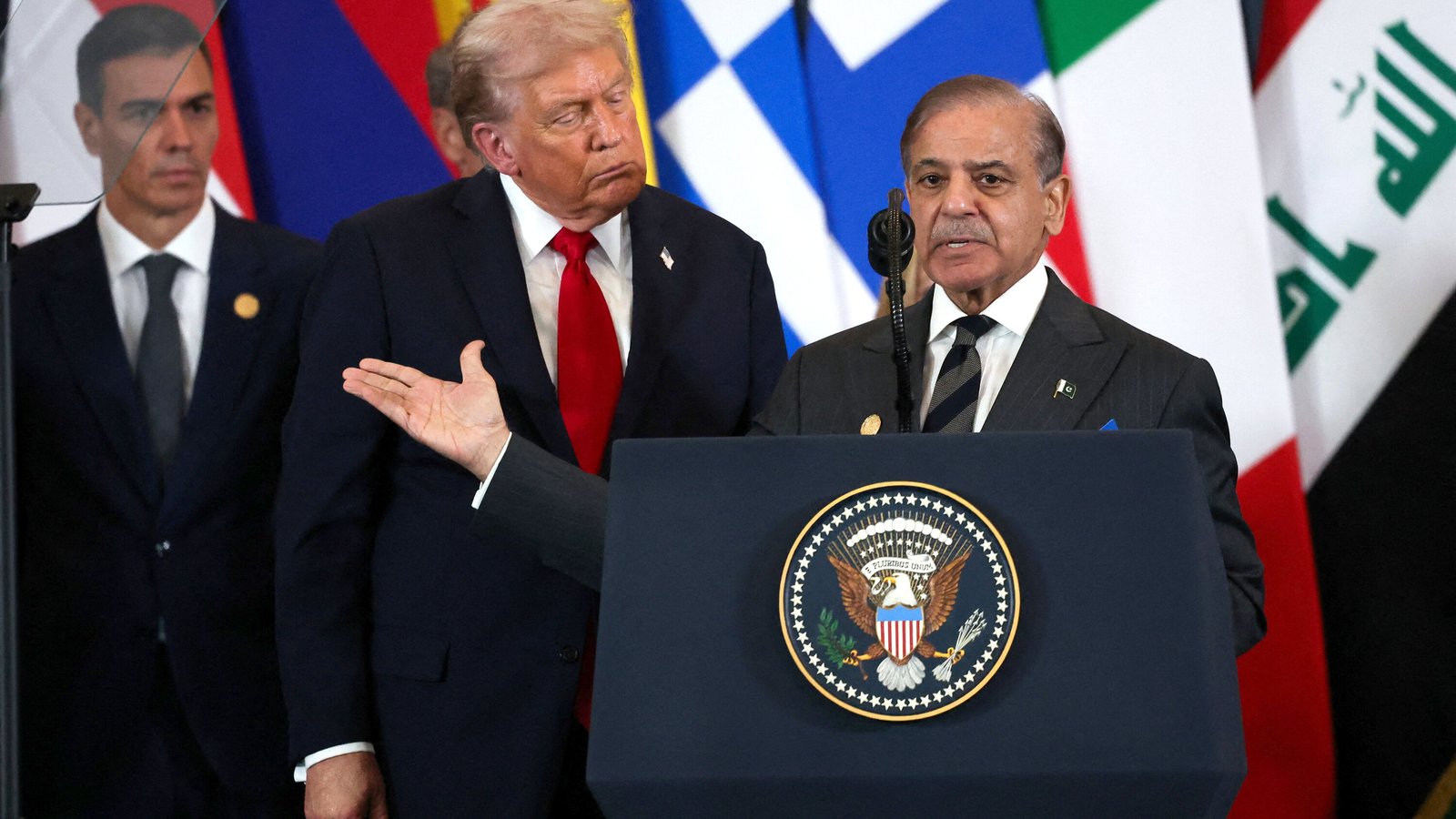
Pakistan’s participation highlights Islamabad’s continued emphasis on dialogue, de-escalation, and multilateral diplomacy, positioning the country as an active stakeholder in efforts aimed at preventing further military escalation.
Uncertain Outcome, Rising Diplomatic Stakes
While it remains unclear whether the regional initiative will lead to a breakthrough, the ongoing coordination signals a broader shift toward diplomacy led by regional actors themselves.
As tensions remain high, the emerging diplomatic push underscores an evolving power dynamic in which regional countries — including Pakistan — are taking a more prominent role in shaping peace efforts surrounding Iran.