



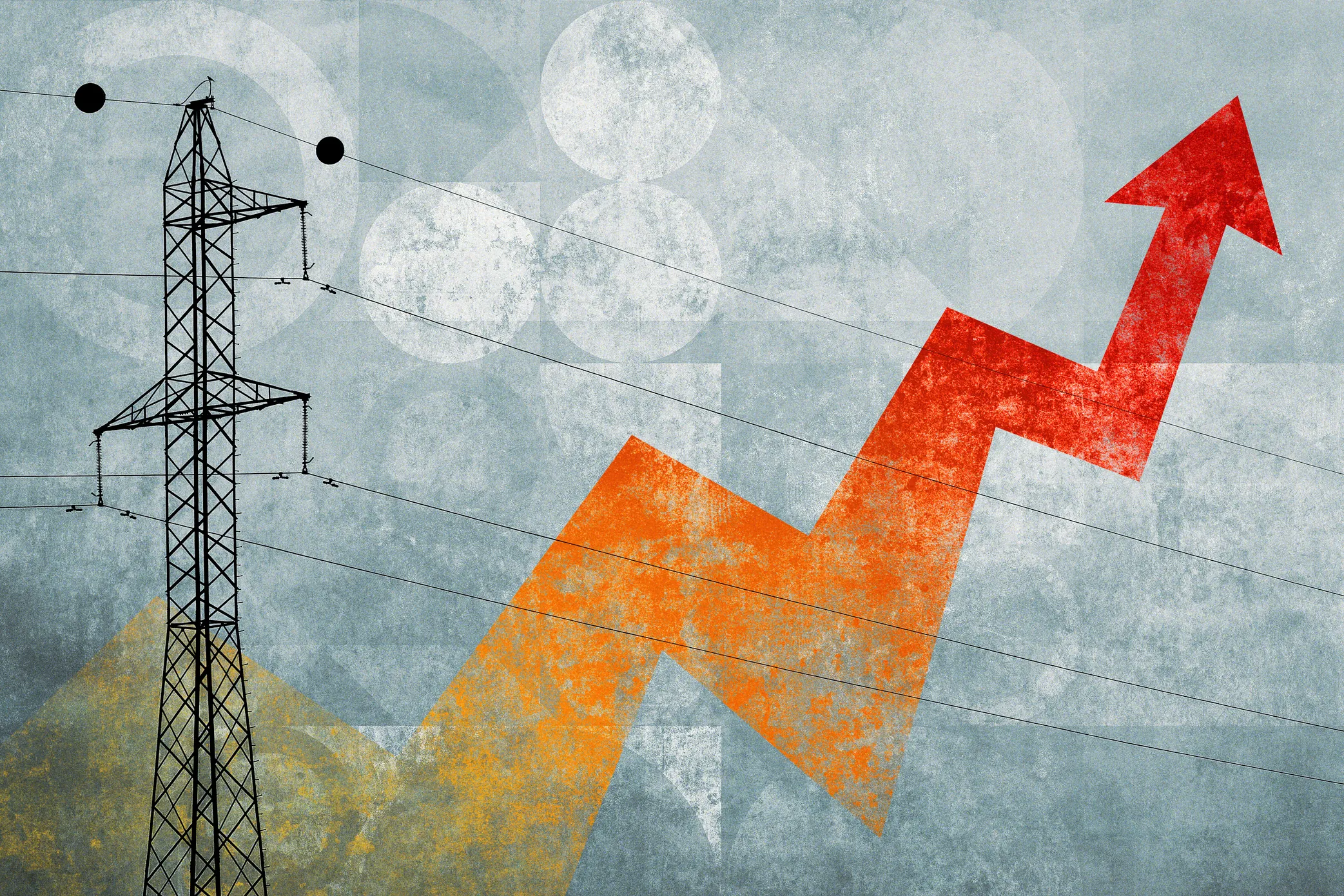
Soaring electricity costs in Pakistan have prompted a growing number of consumers to switch to solar power, according to a new report by the Competition Commission of Pakistan. Over the past three years, electricity prices have surged by 155 percent, creating significant financial strain on both households and businesses.
The report highlights that rising energy tariffs, coupled with capacity charges and the weakening of the rupee, have intensified the economic burden on consumers. As a result, Pakistan has emerged as one of the fastest-growing solar markets in the region, with installed solar capacity reaching 35 gigawatts and imports exceeding 50 gigawatts over the last five years.
The CCP noted that in some regions, electricity bills have climbed higher than monthly rent, accelerating the shift toward solar. However, a substantial portion of solar installations remains undocumented, and the prevalence of low-quality solar products continues to threaten both consumers and the market.
To address these challenges, the report recommends urgent improvements to the transmission network, adoption of smart metering, grid automation, accelerated electricity market reforms, and stricter measures against substandard solar equipment.
The CCP also warned that without action, climate-related economic losses could rise sharply, potentially reaching up to 6 percent of GDP by 2050, even though Pakistan’s solar potential far exceeds current energy demands.