



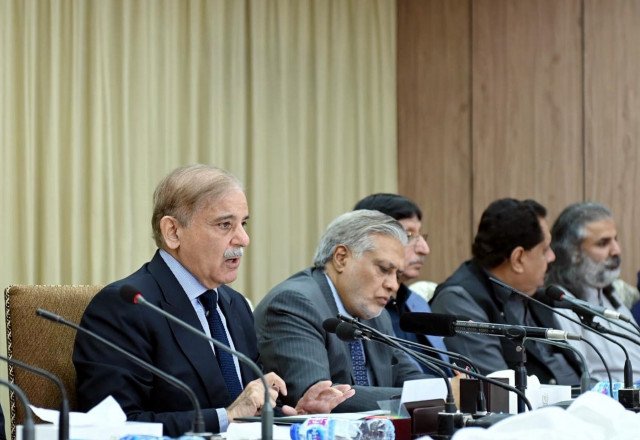
The federal government has unveiled a comprehensive austerity plan to curb spending and conserve resources amid the ongoing regional conflict. The measures, approved during a high-level meeting chaired by Prime Minister Shehbaz Sharif, will apply to all federal and provincial ministries, departments, autonomous bodies, the judiciary, and parliament.
Under the plan, ministers, advisors, and special assistants at federal and provincial levels will voluntarily forego two months’ salaries and allowances. Senior government officers in Grade 20 and above earning over Rs300,000 per month will face a two-day salary deduction.
A 20 percent reduction has been applied to the non-development budgets of all federal and provincial departments for the fourth quarter of the current fiscal year, expected to save around Rs22 billion at the federal level.
The government has also imposed strict controls on procurement and operations. Purchases of new durable goods are banned until June 2026, with IT equipment acquisitions allowed only after review and approval by the National Information Technology Board and the Strategy Committee. Official foreign visits by ministers, parliamentarians, and government officials are prohibited except for essential purposes, with all travel required to be in economy class.
Fuel supply to government vehicles will be cut by 50 percent for two months, though operational vehicles such as ambulances, government buses, and motorbikes are exempt. In addition, 60 percent of government vehicles will be grounded, and all purchases of new vehicles have been halted until June 2026.
The government will continue its right-sizing program to reduce administrative expenditures. Teleconferencing and virtual meetings are being promoted to limit costs, and official banquets are banned except for hosting foreign delegations. Seminars, trainings, and conferences will require approval from a special committee to assess necessity and priority, with government facilities mandated for use.
Officials said the austerity measures are designed to ensure efficient resource management, safeguard public funds, and maintain economic stability during the current crisis.